
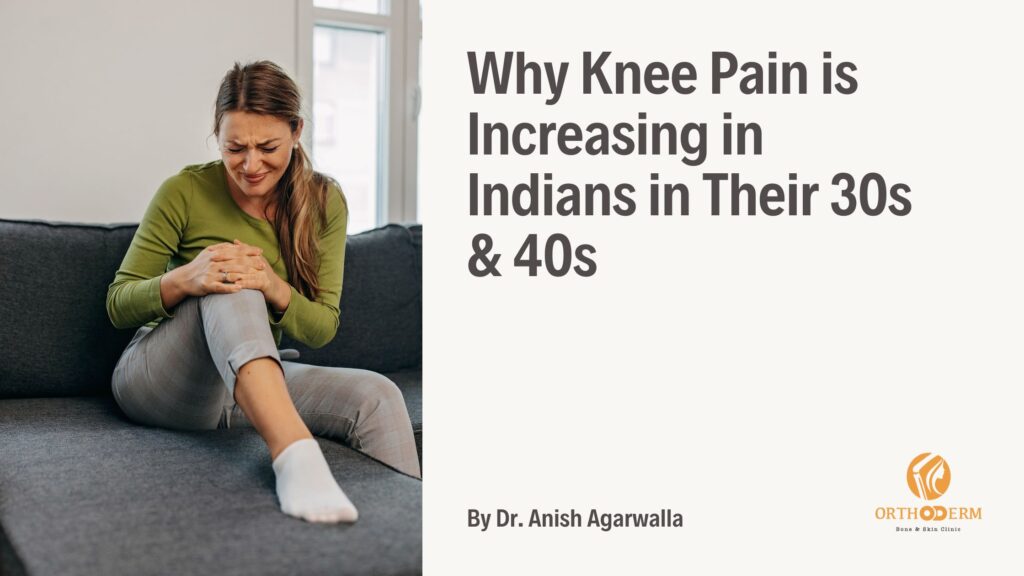
In recent years, I have seen a steady rise in the number of young Indian adults complaining of knee pain. What was once considered a problem of old age is now becoming common among people in their 30s and 40s. This trend is worrying, and as an orthopedist, I believe it deserves serious attention.
The Growing Trend: What Studies Are Showing
Recent research supports what we observe in clinics every day. A study from the University of Oulu found that more than half of adults in their 30s already show early cartilage damage on MRI scans, even if they do not have symptoms yet. In India, several hospital-based studies report a sharp increase in early-onset osteoarthritis, often linked to obesity, sedentary lifestyles, and untreated injuries.
(Sources: University of Oulu Study, 2025; Indian Journal of Orthopaedics Review, 2024)
Why Knee Pain Is Rising Among Indians
1. Rising Obesity and Poor Muscle Strength
- Excess body weight puts additional pressure on the knee joint with every step. Unfortunately, India is now home to one of the world’s fastest-growing obesity rates. Many people have sarcopenic obesity, a condition where body fat is high but muscle strength is low. This combination increases both joint load and inflammation, accelerating wear and tear in the knees.
2. Sedentary Jobs and Weak Muscles
- Modern work habits are another major factor. Long hours of sitting weaken the quadriceps and hip muscles that protect the knee. Weak muscles lead to poor joint alignment and increase strain on the cartilage. Many people start light workouts but skip targeted strengthening exercises, leaving their knees vulnerable.
3. Sports Injuries and Poor Rehabilitation
- I often see patients who suffered a sports injury in college or early adulthood but never completed proper rehabilitation. Untreated ligament or meniscus injuries can alter the knee’s biomechanics and increase the risk of early arthritis. Even weekend sports enthusiasts, often called “weekend warriors”, may push too hard without adequate conditioning.
4. Vitamin D and Nutritional Deficiencies
- A 2024 Indian health survey found that up to 80% of urban adults have low vitamin D levels. Vitamin D deficiency weakens bones and muscles and contributes to chronic knee pain. Poor protein intake, especially among vegetarians, further affects muscle recovery and joint health.
5. Cultural Postures and Everyday Strain
- Many traditional Indian habits, like sitting cross-legged, squatting, or kneeling during prayers, put repetitive stress on the knees. Over time, these positions can cause cartilage wear, especially when combined with obesity or weak thigh muscles.
6. Urban Lifestyle and Footwear Choices
- Uneven walking surfaces, poor footwear, and a lack of supportive shoes contribute to micro-injuries in the knee joint. Women who frequently wear high heels or men who use flat, unsupportive shoes are particularly at risk of developing knee pain.
7. Increased Awareness and Early Detection
- Better access to MRI and orthopaedic care has also revealed problems earlier than before. However, early detection is a double-edged sword. It shows that the underlying causes are developing much sooner in life.
Lesser-Known Causes You Should Know
Most websites focus only on obesity and injuries, but a few hidden factors deserve mention:
- Sarcopenic obesity normal BMI but poor muscle mass, creates weak joint support.
- Low physical activity in childhood reduces bone density and joint stability later in life.
- Skipped physiotherapy after injury means the joint never regains normal strength or balance.
These subtle patterns explain why even fit-looking individuals sometimes develop knee pain early.
How to Know What Type of Knee Problem You Have
If your knee pain persists for more than a few weeks, swells after activity, or feels unstable, you should consult an orthopedist. X-rays help detect arthritis, while MRI scans show soft-tissue or cartilage damage. Early evaluation is essential because most conditions respond better to conservative care when diagnosed early.
Practical Prevention Tips for Indian Patients
- Maintain a healthy weight: Even a 5-10% weight loss can significantly reduce knee load.
- Strengthen regularly: Focus on quadriceps, glutes, and core strengthening rather than general cardio alone.
- Ensure adequate vitamin D and protein: Check your levels annually and correct deficiencies.
- Stay active but avoid sudden strain: Choose low-impact exercises such as cycling or swimming.
- Rehabilitate properly: Never ignore knee injuries or rely solely on rest; physiotherapy is crucial.
Modern Treatment Options
If lifestyle measures are not enough, several modern treatments can help.
- Injections (like hyaluronic acid or platelet-rich plasma) can relieve inflammation in early stages.
- Arthroscopy and cartilage repair can treat specific injuries before arthritis progresses.
- For advanced cases, knee replacement surgery is now safer and more durable, even for younger patients. However, my focus is always to delay surgery through early, personalised care.
Conclusion
Knee pain in Indians is no longer a problem of aging. It’s a lifestyle disease developing decades earlier than expected. The main drivers are weight gain, weak muscles, poor rehabilitation, and nutritional gaps. The good news is that most cases are preventable. By maintaining muscle strength, correcting deficiencies, and addressing injuries promptly, we can protect our knees well into older age.
FAQs:
1. Why is knee pain increasing among Indians in their 30s and 40s?
- Rising obesity rates, sedentary lifestyles, and untreated sports injuries are major contributors. Studies show that over half of individuals as young as 30 exhibit early signs of joint damage, often without symptoms.
2. Can vitamin D deficiency cause knee pain?
- Yes. Vitamin D is crucial for bone and muscle health. Deficiency can lead to joint stiffness and discomfort. In India, up to 80% of urban adults have low vitamin D levels.
3. How does obesity affect knee joints?
- Excess body weight increases stress on knee joints, accelerating wear and tear. Even a 5–10% weight loss can significantly reduce knee load.
4. Are cultural habits like squatting harmful to knees?
- Yes, frequent squatting or kneeling can strain knee cartilage, especially if combined with obesity or weak thigh muscles. These habits can contribute to early cartilage wear.
5. What are the early signs of knee arthritis to watch for?
- Persistent knee pain, swelling after activity, stiffness, or a feeling of instability are early signs. If these symptoms last more than a few weeks, consult an orthopedist promptly.